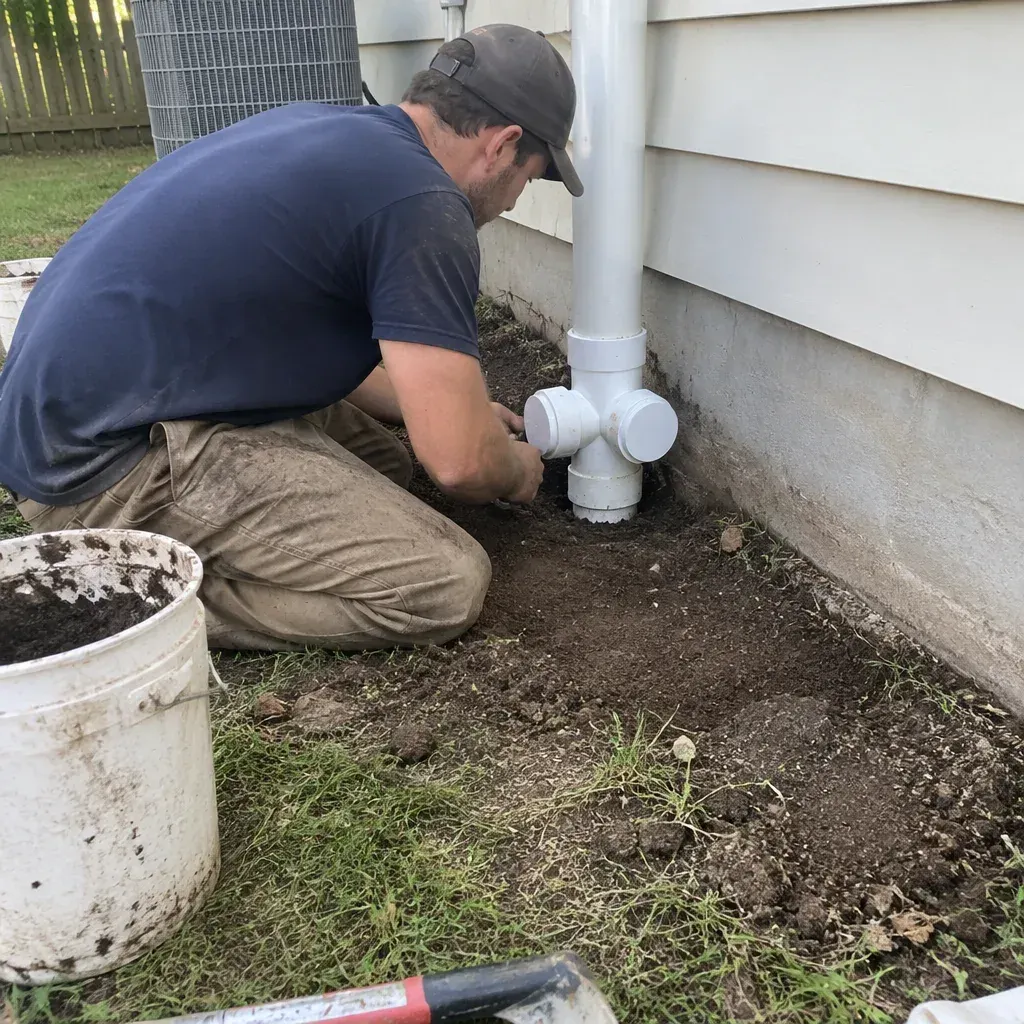
Returning Home
When can a homeowner return after sewage cleanup in Maple Grove? Learn what completion, inspection, drying, and clear provider guidance can tell you.
Read article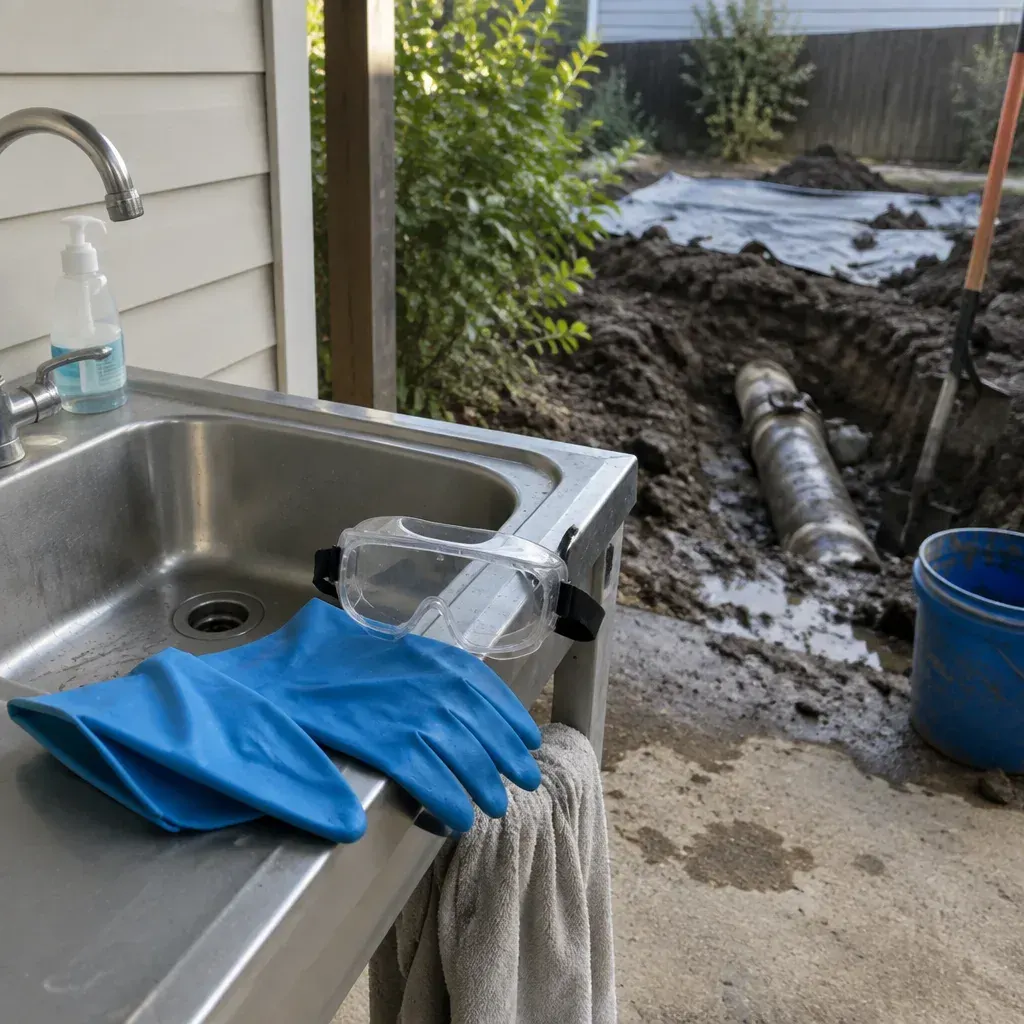
Maple Grove basement sewage cleanup near Central Park, from containment through drying.
Heavy rain can overwhelm sewer systems and send wastewater into a basement. In Maple Grove, a homeowner may first notice water across the floor, damp stored items, or a stain spreading along the bottom of a wall. Homes near Central Park and Weaver Lake can differ in basement layout, finishes, and sewer connection, so the visible water may not show the full area that needs attention. The cleanup plan starts with what got wet and which materials the water reached.
Sewage can seep beneath flooring and behind baseboards, leaving damp areas that are easy to miss during a first look. In Maple Grove, narrow stairs, a long path from the entrance, or crowded storage can slow removal and equipment placement. The pros we connect you with assess the basement, contain the work area, extract water, and sort materials for cleaning or removal. They then clean and disinfect suitable surfaces, treat lingering odors, and dry affected areas. Foot traffic can carry sewage residue from wet areas onto otherwise clean flooring.
Describe Basement Sewage Cleanup in Maple Grove, MN as cleanup for sewage inside a property, with work shaped by affected materials and damage; mention Maple Grove, Osseo and Champlin and distinguish it from sewer-line plumbing.
Choose Sewer Backup Cleanup for cleanup inside a home; landlords and business operators can consult commercial sewer backup cleanup about cleanup across rental and work spaces.
A dark waterline on concrete or a basement floor shows where contaminated water reached. A homeowner near Elm Creek may find the mark extends beneath shelving or stored boxes, beyond the open patch first noticed. The amount of visible water does not establish which materials can be cleaned. Assessment follows the water path and checks the surfaces it contacted. That distinction guides extraction, material removal, and cleaning, so the work addresses affected areas rather than only the easiest spots to see.
Carpet, padding, and the lower edge of drywall can stay damp after standing water is gone. In a Maple Grove basement, that change may appear as a soft floor, a swollen baseboard, or a wall that feels cool and wet. These materials absorb water differently from concrete or tile. The cleanup assessment determines whether an item can be cleaned and disinfected or needs removal. Leaving saturated material in place can complicate cleaning and delay structural drying.
A persistent sewer odor after water has been extracted can point to contaminated debris or surfaces left untreated. The smell may be strongest around a floor drain, a pile of stored items, or a seam where flooring meets a wall. Odor treatment follows removal and surface cleaning; masking the smell alone does not address its source. The pros we connect you with can check affected areas and include odor treatment when the remaining contamination calls for it.
The basement is assessed for the water path, affected materials, access, and moisture. This sets the cleanup scope and identifies areas for removal, cleaning, or drying.
The work area is contained, then contaminated water is extracted. Containment helps limit the spread of water and debris into clean parts of the property.
Contaminated water is extracted from the basement, including low spots where it collects, so remaining materials can be assessed without spreading it.
Odors are treated after sewage and debris are removed. Affected building materials are then dried, with progress checked for remaining moisture.
Basement finishes can hide contamination below carpet, behind baseboards, or inside absorbent wall materials. In Maple Grove, property age and basement construction vary, so one cleanup plan cannot fit every home. Concrete may be suitable for cleaning and disinfection, while sewage-soaked porous material may need removal. If damp areas remain, structural drying helps reduce moisture in affected building materials. Checking each layer helps prevent a clean-looking surface from standing in for a complete cleanup.
Maple Grove homes differ in age, basement presence, and sewer connection, so a cleanup plan starts with the property rather than an assumed layout. A finished room may have carpet, trim, and drywall that require separate decisions. An unfinished basement may expose more concrete, but stored belongings can still complicate access. The pros we connect you with identify what was affected, what can be cleaned, and which areas need drying before setting the work scope.
A home close to US Highway 169 and a small commercial property off Central Avenue can present different access and floor plans. Stairs, door widths, and the distance to affected rooms shape how materials and equipment move through the building. Those details can affect labor and drying time. Local street names alone do not determine the cleanup method; the water path, material condition, and safe access inside each property guide the work.
Estimated ranges for Basement Sewage Cleanup in Maple Grove appear in the table; near Central Park or elsewhere, confirm any visit charge and written scope with the pros we connect you with.
| Where Sewage Reached | Cleanup Tasks | What Affects Cost |
|---|---|---|
| One area | Territorial Park area: affected-space assessment and cleanup outline | an estimated $7,000–$14,000 |
| One room | Documented cleanup scope: sewage removal, cleaning, disinfection, and structural drying | an estimated $8,050–$18,200 |
| Several rooms | Additional affected materials included only when identified and recorded | an estimated $7,000–$14,000 |
| Broad interior | Contained extraction and cleaning for the assessed affected space | an estimated $16,800–$56,000 |
The estimate can change when porous materials need removal, added surfaces need disinfection, or odor treatment is included. Drying needs also depend on the affected structure. A longer-lasting replacement finish can affect the total. The full pricing guide explains how cleanup tasks and material choices shape the scope.
The pros we connect you with first assess the basement and contain the affected work area. They extract contaminated water, remove materials that cannot be cleaned, then clean and disinfect suitable surfaces. Odor treatment may follow, with drying for affected building materials. The amount of water, access to the basement, and materials involved shape the work and its cost. Protective gear helps limit contact with contaminated water and residue during cleanup.
The decision depends on the material and how far sewage reached it. Hard, nonporous surfaces may be cleaned and disinfected when their condition allows. Stored belongings near the affected area may need separate assessment before they can be cleaned. The assessment should identify what comes out and what remains for cleaning and drying. A material’s appearance alone may not show whether sewage reached its deeper layers.
In Maple Grove, basement sewage cleanup begins by separating the affected area from clean rooms and extracting contaminated water. A professional checks how far the sewage traveled before deciding what can stay. Absorbent materials that cannot be cleaned through may need removal; suitable hard surfaces can be cleaned and disinfected. For a home near Elm Creek Park Reserve, that distinction helps shape the cleanup. A plumber may need to find or repair the backup source.
Cost varies with the affected area, the amount of contaminated water, material removal, access, cleaning, odor treatment, and structural drying. Finished basements can involve more layers and removal work than open concrete floors. A clear assessment should describe which materials need removal, which surfaces can be cleaned, and what needs drying. The pros we connect you with can use those findings to explain the proposed scope.
After visible sewage is gone, a Maple Grove basement can still hold moisture, and a stale odor can remain. Cleanup includes treating odors and drying affected building materials, addressing what sight alone misses. Keep the space closed off until it has been cleaned and assessed; people and pets should stay clear. For a property near Lions Central Park, the pros we connect you with can document damaged materials and cleanup steps.
Cleanup handles sewage and damage inside the basement. A plumber diagnoses the blockage or other source and repairs the sewer line when needed. The two types of work may need coordination: the cleanup assessment can identify affected materials and areas, while the plumber addresses the cause. If the source has not been resolved, ask a plumber to evaluate it as cleanup proceeds.
The price for this cleanup is $7,000–$14,000. After assessing the damage, the pros we connect you with can confirm the cost; photos and notes may help document materials for a claim.
Review how cleanup handles contamination and moisture, while plumbing work addresses the backup source.
When can a homeowner return after sewage cleanup in Maple Grove? Learn what completion, inspection, drying, and clear provider guidance can tell you.
Read article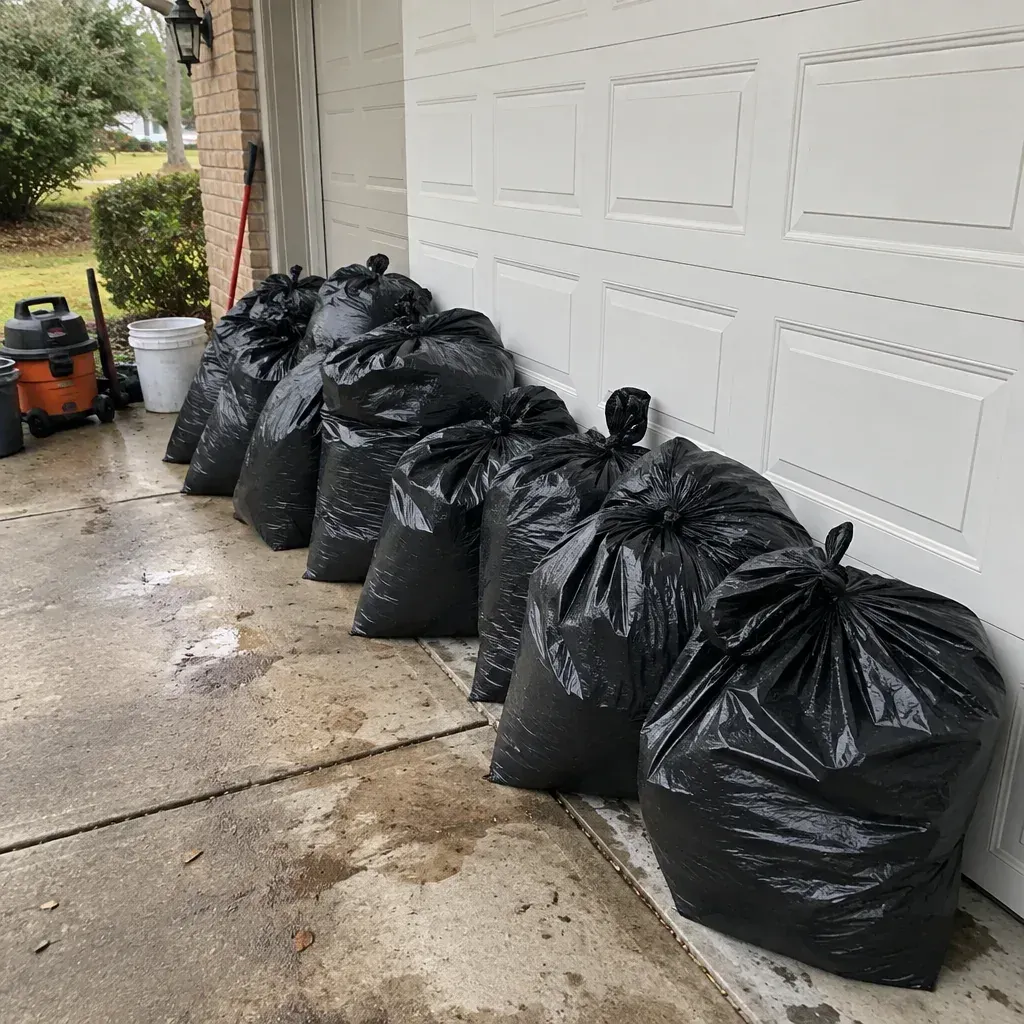
How quickly should a sewage cleanup company respond in Maple Grove? Learn what to report, what can affect scheduling, and why arrival differs from completed cleanup.
Read article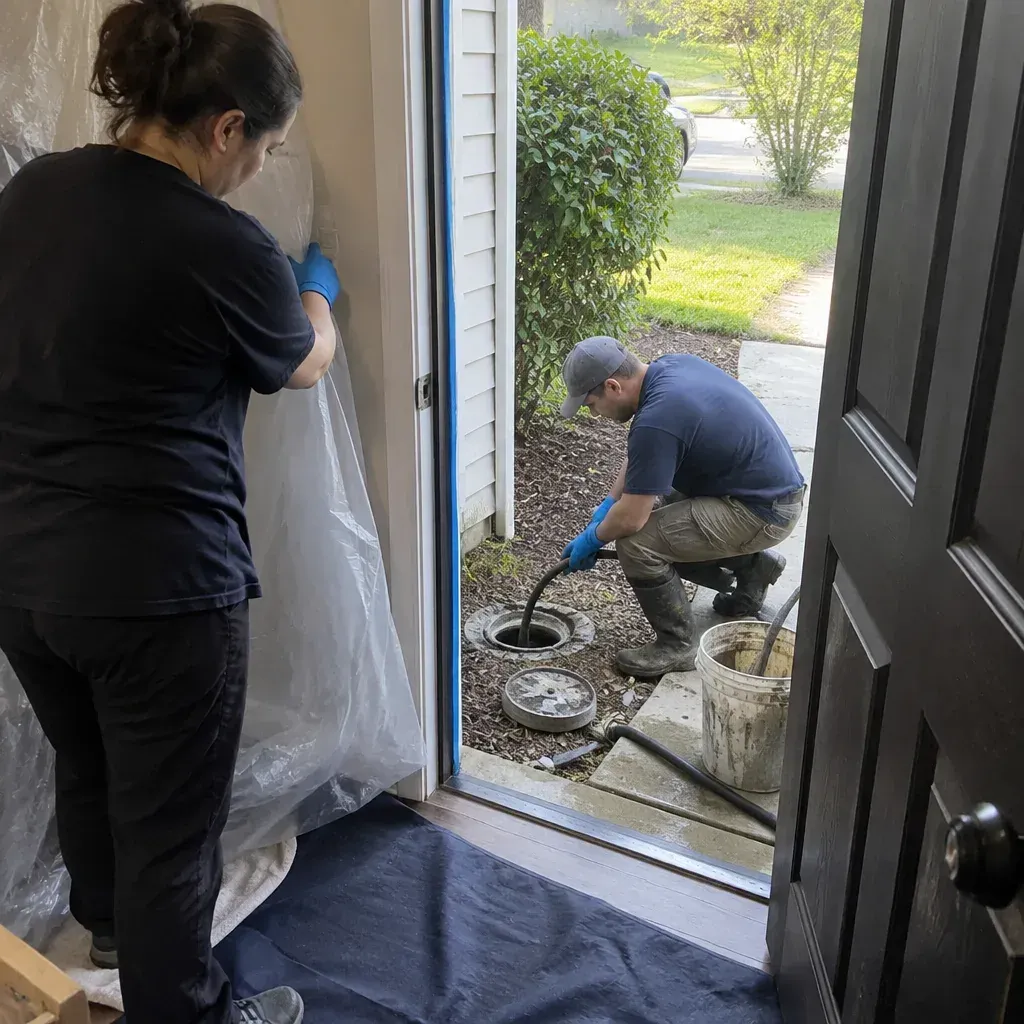
Can household members stay in unaffected rooms during sewage cleanup? Learn how containment, access, rain, and household safety shape that decision in Maple Grove.
Read articleFor a property near State Highway 7, describe what backed up and which surfaces or belongings were exposed. Keep people and pets out of the affected area until it has been assessed and cleaned. Ask the pros we connect you with what materials may need removal, how remaining surfaces will be cleaned and disinfected, and what drying includes. Confirm availability, charges, and the written scope before work begins. A plumber may be needed separately to diagnose or repair the backup source.
Call (763) 298-9074