Why Cleanup Scope Changes With Damage
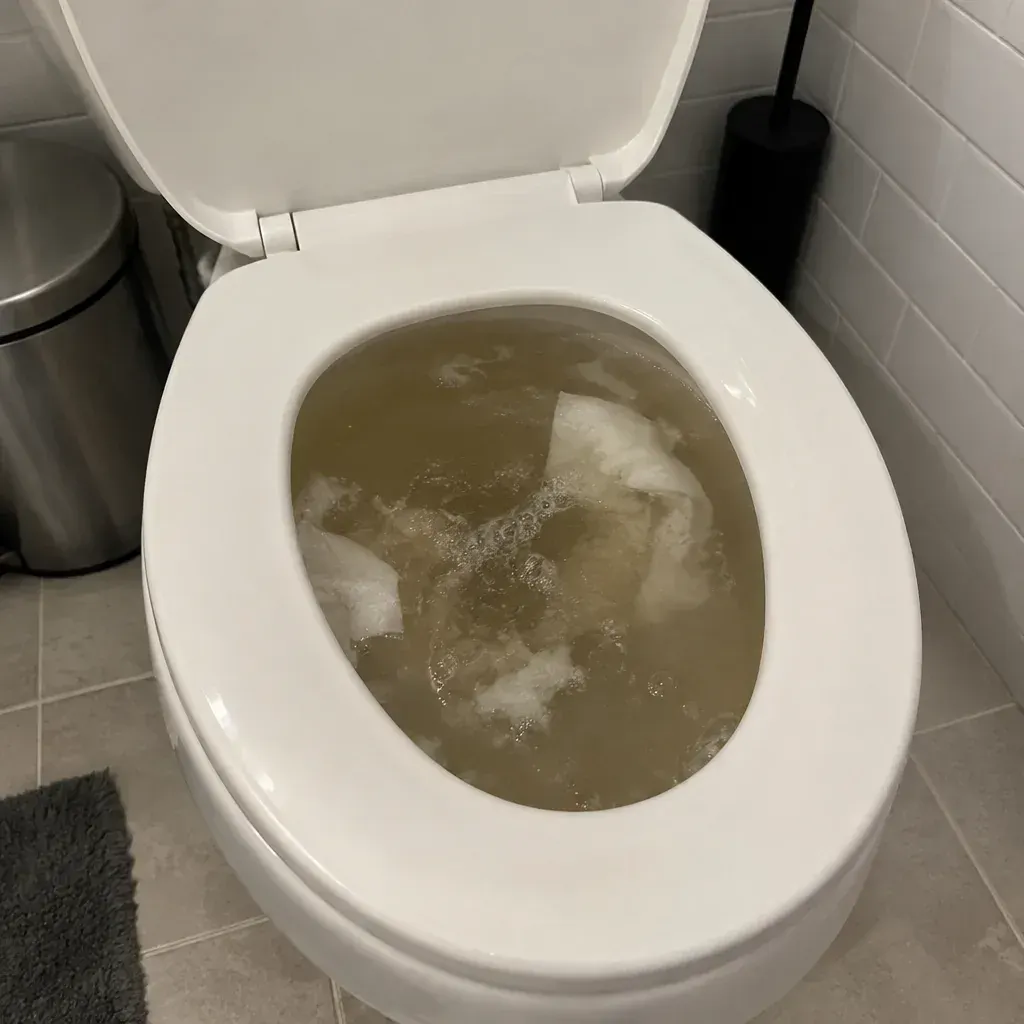
A blocked or damaged sewer line can also cause wastewater to back up indoors. That general risk applies in Maple Grove too, though a storm alone does not establish the cause at one address. The owner needs an indoor assessment and a separate source investigation to understand the event.
In Maple Grove, landmarks such as Elm Creek and Sipe Park mark the local setting. Low drains and toilets may be the first fixtures to show signs of a sewer backup. If floodwater overloads a connected system, sewage may return indoors. How far it travels across floors and into building materials shapes the cleanup burden.
Homeowners and small commercial property owners in Maple Grove and Hennepin may ask about cleanup after a backup. Share the address with the pros we connect you with so they can check coverage and service fit.
Cleaning and Disinfection
- Exposure
- Heavy rain can overwhelm sewer systems and cause water to return through drains into a building.
- Materials
- Waterlines, debris, and wet materials help show how far water reached; they do not confirm its source.
- Drying
- After conditions are safe, note the visible waterline and affected materials at the Maple Grove property; these details help guide cleanup assessment near Central Avenue.
- Odor
- Photos taken from a safe, dry area can record visible damage before cleanup changes the scene.
- Source
- Near Eagle Lake or US Highway 169, a property's location alone does not identify the backup source.
- PLUMBING ROLE
- Maple Grove spring snowmelt followed by rain can add to flood pressure on sewer systems. Summer downpours can also overwhelm capacity. Seasonal timing may explain when water appeared, but only an assessment and source investigation can clarify a particular backup.
- Material Removal
- an estimated $2,700–$6,800
Could Another Source Explain The Water?
Surface stormwater is often confused with a sewer backup because both can leave wet floors and debris after heavy rain. A dirty appearance does not establish sewage contamination; an assessment is needed to identify affected materials and guide cleanup. Surface stormwater can enter at low points and leave muddy marks, while a sewer backup may bring foul water through drains. Sight and smell cannot reliably identify the source. The assessment records where water entered and what it touched; the responsible authority investigates the system.
How Cleanup Addresses Sewage And Odor
The pros we connect you with set barriers between affected and clean spaces, then extract sewage and remove absorbent materials it reached. They clean and disinfect remaining surfaces, treat lingering odor, and dry wet floors and walls. The amount of contamination and the materials involved determine the work required.
After removal, professionals clean and disinfect affected surfaces using products as labeled. They document damaged materials and dry the parts of the structure that took on water. The assessment guides the sequence and extent of work; a separate source investigation can continue alongside indoor cleanup.
Scope drives cost: sewage removal, damaged materials, and drying needs. A small affected space may be completed in one visit after cleaning and disinfection. More widespread contamination can require material removal and later drying checks. Cleanup restores affected interior areas; a plumber investigates or repairs sewer lines.
CLEANUP TODAY AND THE WORK THAT MAY FOLLOW
| Cost Factors |
Plumber’s Role |
|---|
| Localized overflow, little spread | Contamination removal and drying |
| Sewage reappearing on previously cleaned surfaces | Surface disinfection |
| Sewage affects mixed materials across the area | Contaminated materials removed, surfaces disinfected, structure dried |
Knowing When Professionals Are Needed
Do not enter standing water if electrical outlets or appliances may be wet. From a dry location, note where water appeared and take photos without entering or handling wet items. Do not pump, sweep, or disinfect suspected sewage yourself. Arrange a professional assessment; follow product directions only for any later cleaning specifically judged safe.
Safety During Sewage Cleanup
Sewage can carry harmful germs, so treat suspected backup water as contaminated. Avoid fans that could move contaminated particles into clean areas. If anyone has contacted it, wash exposed skin with soap and clean water. In Maple Grove, wait for an assessment before bringing belongings back into the affected space.
How Can Removal Needs Affect Cleanup Cost?
Request a cleanup review of affected rooms and materials. The findings show what needs removal, cleaning, disinfection, and drying, which guides cost.In Maple Grove, a house guide range reflects affected rooms, materials, and assessed work. It covers sewage removal, material handling, cleaning, disinfection, odor treatment, and drying when needed. Plumbing diagnosis and sewer line repair fall outside that cleanup scope. Confirm visit charges and the exact written scope directly with the pros we connect you with.The pricing guide explains the full range and how contamination, materials, and drying affect cost.