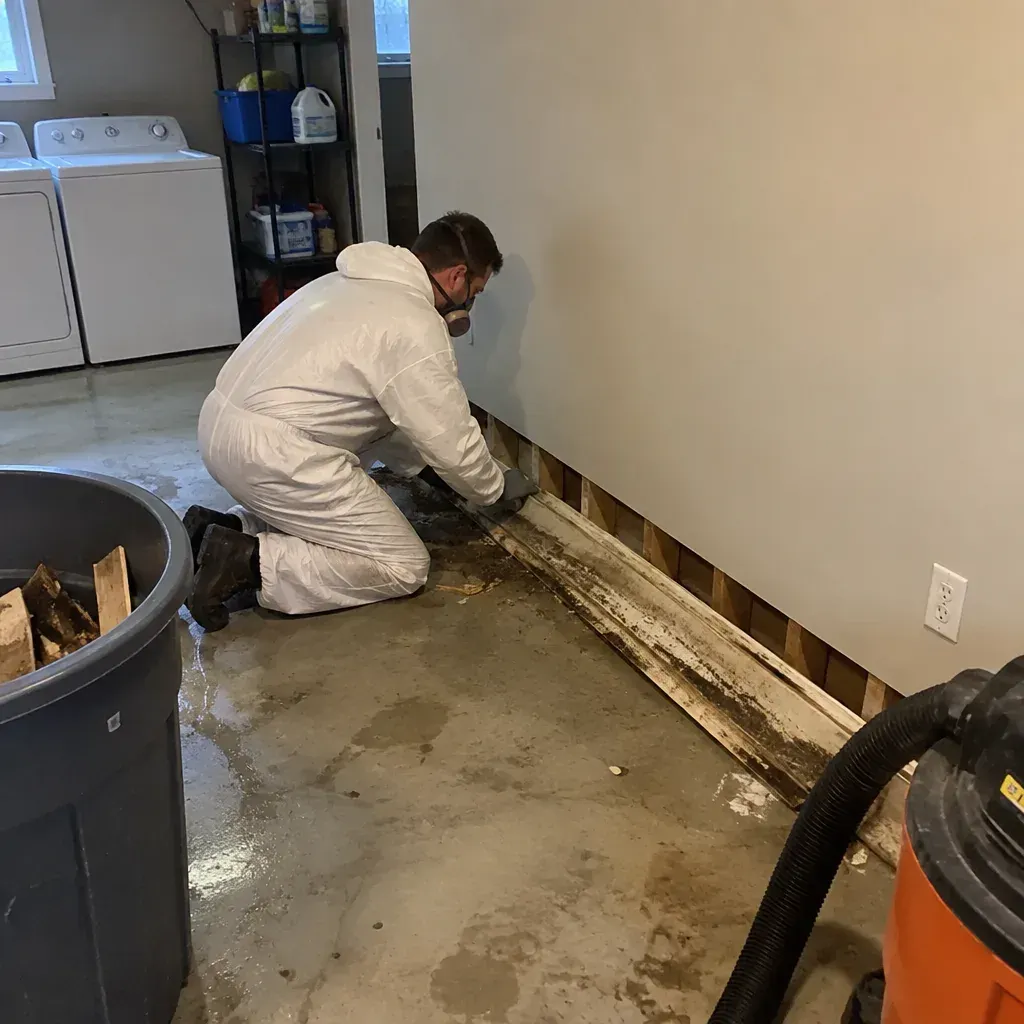
Sewage-Exposed Belongings in Maple Grove
Visible contact, material, and condition shape the inventory before decisions about salvage, packout, cleaning limits, or disposal.
Assess each belonging by its location, material, observed condition, and likely sewage contact. Record those details in an itemized inventory, link photos to entries, and label packed items with their status. Note cleaning decisions, storage location, and disposal documentation for follow-up.
Observe Exposure and Visible Condition
The cost of contaminated material removal depends partly on which belongings show sewage contact and how they are made. In a Maple Grove home, visible waterlines, residue, or odor can help mark affected rooms and item groups. These signs describe exposure; they do not establish whether an item can be salvaged. The pros we connect you with can assess materials and document handling decisions. An inventory links each item to its location, observed condition, and next decision, giving the owner a clear record without guessing from appearance alone.
The first record follows the visible boundary. Note where sewage is present, where residue appears, and which belongings sit within those areas. A location note may use a verified local reference when it helps identify the Maple Grove property; examples include Rainwater Nature Area, Hamel Legion Park, or Elm Creek. Inside the building, record the room and item location. This ordered account shows what was observed before belongings were moved and helps distinguish direct contact from nearby placement.
Material matters because sewage can soak into absorbent surfaces. A cardboard box, upholstered chair, or fabric item may hold contamination beyond what its surface shows. A hard, nonporous object has different cleaning limits. In Maple Grove, an itemized assessment should name the material, note visible soil or staining, and describe contact if known. The pros we connect you with can use those observations to explain whether cleaning is feasible or removal is being considered. Appearance alone cannot confirm that an absorbent item is clean.
Build an Itemized Condition Record
An inventory turns room observations into item records. Each line can identify the object, its location, material, visible condition, and suspected sewage exposure. In a Maple Grove home, a grouped entry may suit ordinary household items, while distinctive or higher-value belongings merit their own descriptions. Keep uncertain details marked as unknown. That distinction protects the record from treating an estimate as a confirmed fact and gives the owner a usable basis for later handling, cleaning, or disposal decisions.
Condition notes should separate what can be seen from what is inferred. Record stains, residue, dampness, odor, or visible damage without labeling an item safe based on a quick look. Photos can show an object's state and location alongside its inventory entry. For a Maple Grove property, a consistent item identifier in the photo and list makes later review easier. These records may support an insurance claim, though coverage depends on the policy. They document condition; they do not determine coverage.
Packout records describe how belongings are grouped and identified when they leave an affected area. Labels can link a container to the inventory, its contents, source room, and handling status. In Maple Grove, that link helps the owner distinguish items awaiting review from items designated for disposal. Avoid combining unidentified belongings in one entry. A clear label preserves the connection between an object, its observed exposure, and the decision recorded for it, even when the original room is no longer visible.
Track Packout, Labels, and Storage
Cleaning limits depend on whether contamination reached an item's absorbent parts and whether those parts can be fully addressed. A hard surface may be suitable for cleaning and disinfection after assessment. Porous belongings can retain sewage where surface appearance gives little evidence. In Maple Grove, the inventory should record the material and the reason for a salvage or removal decision. Sewage contents cleaning concerns contaminated belongings; it is separate from documenting damage to the building around them.
Storage status belongs in the same record as exposure and condition. Identify whether an item is awaiting assessment, set aside for cleaning, or designated for disposal. Note its container or storage location and keep its inventory identifier visible. For a Maple Grove owner, this prevents an unreviewed belonging from being mistaken for a cleared one. A sewage damage packout record is most useful when labels preserve those distinctions and connect each stored group to its original room and condition notes.
Document Cleaning Limits and Disposal
Disposal decisions need a record that states which belongings were removed and why. List the item or group, observed condition, exposure concern, and recorded handling decision. Keep disposal documentation with the inventory rather than relying on memory after items leave the property. In Maple Grove, dated photographs and removal notes can help show the condition and disposition of sewage-damaged belongings. The record should distinguish confirmed disposal from items still under review, so follow-up does not assume an unresolved decision was final.
A complete file brings the observations together: room notes, item descriptions, condition photos, labels, and cleaning or disposal records. In Maple Grove, the owner can use that file to answer questions about what was exposed, what was kept, and what was removed. Keep original notes and later decisions distinct. This makes changes in status understandable and gives an insurer or other reviewer a traceable account. The record supports review; it cannot promise reimbursement or establish that an item is safe.
Belongings Inventory Notes
- Label each packed item with an inventory ID and room of origin; record its exposure status and destination, then match container photos to the inventory.
- Link photos and packout labels to inventory entries, including contents, source room, and handling status.
- Keep cleaning decisions, storage locations, and disposal records with the inventory for later review.
- Record each item’s location, visible sewage contact, material, and condition; note whether the decision is salvage review, packout, or disposal documentation.
- Assign each entry a clear label that connects the item to its room and photos, so later handling records stay tied to the right belongings.
- For items marked for disposal, keep the condition notes and available disposal records with the inventory for claim documentation and follow-up.
Common Questions
How can I tell whether sewage-damaged belongings may be salvaged?
Compare the item's material with the observed exposure and condition. Note sewage contact, residue, odor, staining, and any visible damage. Absorbent belongings may retain contamination that appearance does not reveal, while some hard surfaces may be cleanable after assessment. In Maple Grove, record the basis for each salvage or removal decision. The pros we connect you with can assess cleaning limits; a quick visual check alone cannot establish that an item is safe.
What details belong in a sewage damage packout inventory?
Create an itemized list that identifies each belonging or clearly defined group, its room, material, visible condition, and known or suspected exposure. Link photos to the same item identifiers. Record handling status and later cleaning or disposal documentation as separate entries. For a Maple Grove property, mark unknown details as unknown rather than filling gaps with assumptions. Close views of seams and undersides can reveal residue a room-wide photo may not show.
What records should I keep for belongings marked for disposal?
Use labels that connect each packed group to its inventory entry, source room, contents, and handling status. Keep items awaiting review distinct from those designated for cleaning or disposal. Record the container or storage location so the owner can trace the belongings later. In Maple Grove, disposal notes should identify what left the property and its recorded condition. This preserves a record of decisions without treating storage or a label as proof that an item is clean.
Request a documented belongings review
Share the room list, visible condition, and item records with the pros we connect you with for a documented belongings assessment.
Call (763) 298-9074